
How to Deal With and Prevent Bathroom Mould in UK Homes
Mould in UK homes is a very common problem—especially in bathrooms. Our damp climate, cooler temperatures, and everyday activities like showering create the perfect conditions for mould to grow.
Bathroom mould doesn’t just look unpleasant; it can damage surfaces, affect air quality, and be difficult to remove if left untreated. The good news is that with the right habits and ventilation, mould can be controlled and prevented.
Why Is Bathroom Mould So Common in the UK?
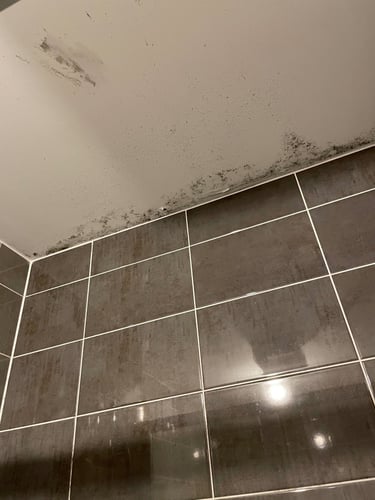
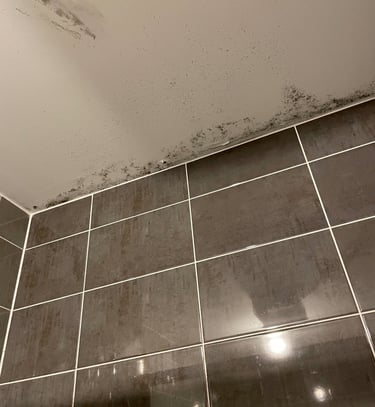
In the UK, mould is mainly caused by condensation. Bathrooms produce a lot of warm steam, which turns into water droplets when it hits cold surfaces.
The most common places mould appears are:
Windows and window bays
Ceilings (especially near external walls)
Tile grout and silicone sealant
Around steel frames, fittings, and lights
Without proper ventilation, this moisture settles and creates the ideal environment for mould spores to grow.
How to Deal With Existing Bathroom Mould
Clean Mould Safely and Effectively
For small areas of mould:
Wear gloves and ventilate the room
Use a dedicated mould spray or suitable cleaner
Apply to the affected area and leave as instructed
Gently scrub if needed
⚠️ Important: Always rinse the area thoroughly after using mould spray. Leaving residue behind can damage paint, ceilings, and wall finishes over time.
If mould has deeply penetrated silicone sealant, replacing the sealant is often the best long-term solution.
How to Prevent Bathroom Mould in UK Homes
1. Improve Ventilation Every Day
Ventilation is the most important step in preventing mould in UK bathrooms.
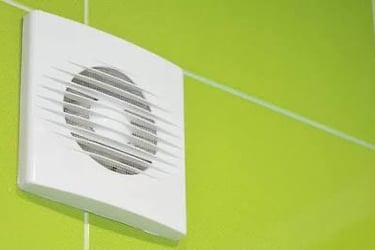
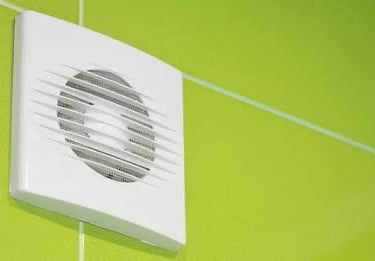
Increase the working time of your bathroom extractor fan
Run it during showers and for at least 20 minutes after
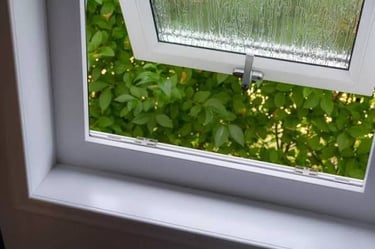
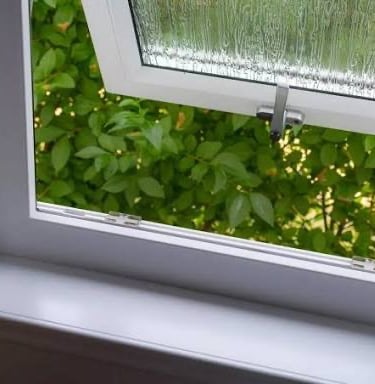
Always open the bathroom window after showering for a minimum of 20 minutes
If the bathroom is not ventilated properly, steam will settle on the coldest parts of the room—usually windows, window bays, and ceilings—leading to condensation and mould growth.
Once the moisture has cleared, remember to close the window, especially during colder months.
2. Reduce Moisture Build-Up
Small daily habits make a big difference:
Wipe down shower screens and tiles after use
Dry wet floors and surfaces
Avoid leaving wet towels in the bathroom
3. Protect Fixtures and Fittings
Steam doesn’t just affect walls and ceilings. Over time, moisture can also damage:
Steel and chrome frames
Light fittings
Bathroom accessories
Good ventilation helps prevent corrosion, staining, and long-term damage.
4. Keep on Top of Maintenance
Fix leaking taps or pipes promptly
Check extractor fans are working properly
Clean ceilings, tiles, and grout regularly to stop mould forming
When to Seek Professional Help
If mould in your bathroom:
Keeps returning despite regular cleaning
Covers large areas
Appears on ceilings or hard-to-reach spaces
A professional cleaning service can help remove mould safely and treat the problem at its source.
Final Thoughts
Mould in UK bathrooms is common—but it doesn’t have to be permanent. With proper ventilation, regular cleaning, and simple daily habits, you can prevent mould, protect your home, and keep your bathroom fresh and healthy all year round.
Taking action early is always easier than dealing with heavy mould later.
How to Deal With and Prevent Bathroom Mould in UK Homes
Learn how to prevent and remove bathroom mould in UK homes with simple ventilation, cleaning tips, and daily habits to keep your bathroom fresh and mould-free.